How Many Servers and Staff Do You Actually Need for Your Event?
One of the most common (and underestimated) questions in event planning is: how many servers and staff do I actually need? Too few staff leads to delays, poor service, and stressed guests. Too many increases your budget unnecessarily.
Getting this balance right is essential for a smooth experience—especially for premium events where service quality matters as much as the food itself. That’s why professional catering teams like Solai carefully calculate staffing based on event type, guest count, and service style.
Let’s break it down in a practical way.
Table of Contents
Toggle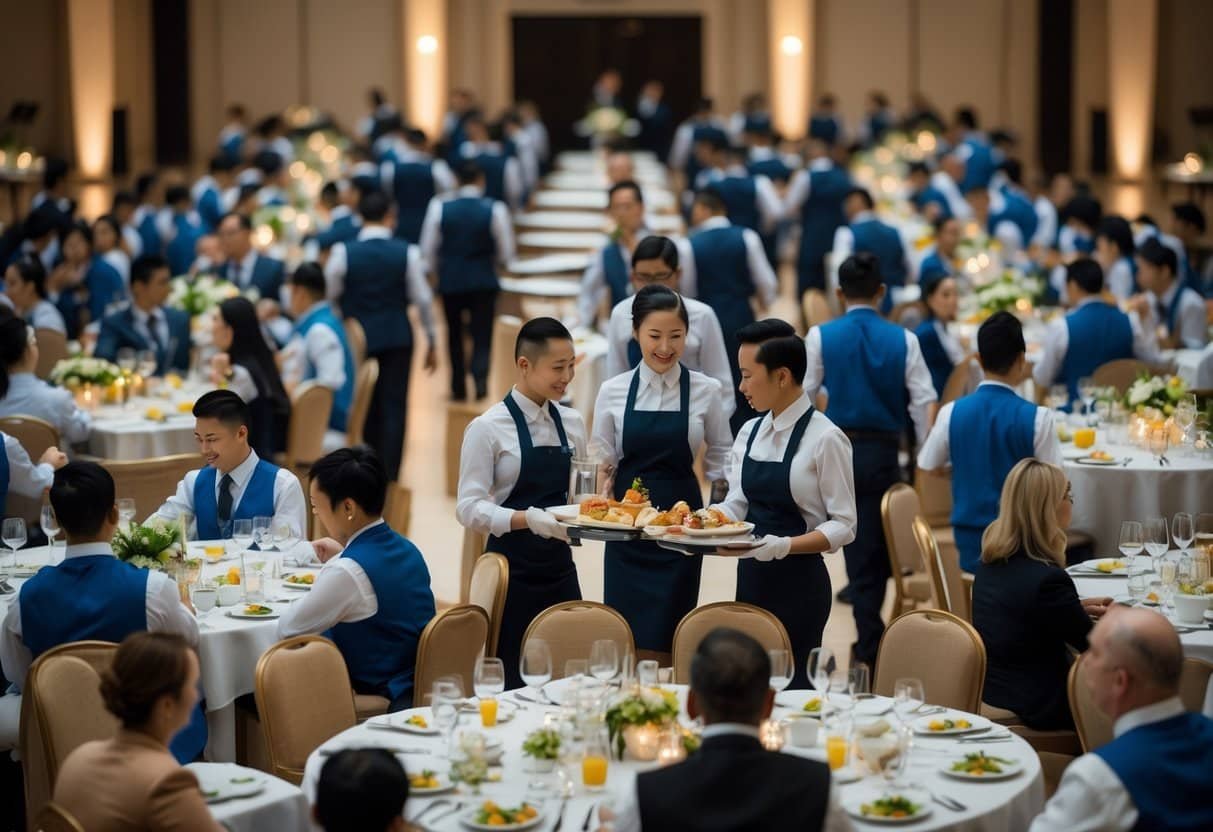
Why Staffing Numbers Matter So Much
Service Quality Depends on Ratios
The number of staff directly affects:
- Speed of food service
- Guest satisfaction
- Table cleanliness and flow
- Overall event atmosphere
Even excellent food can feel disappointing if service is slow or disorganized.
Different Events Need Different Staffing Levels
A corporate lunch doesn’t require the same setup as a luxury wedding. The right staffing plan depends on how formal and complex your event is.
Standard Staffing Ratios (Quick Guide)
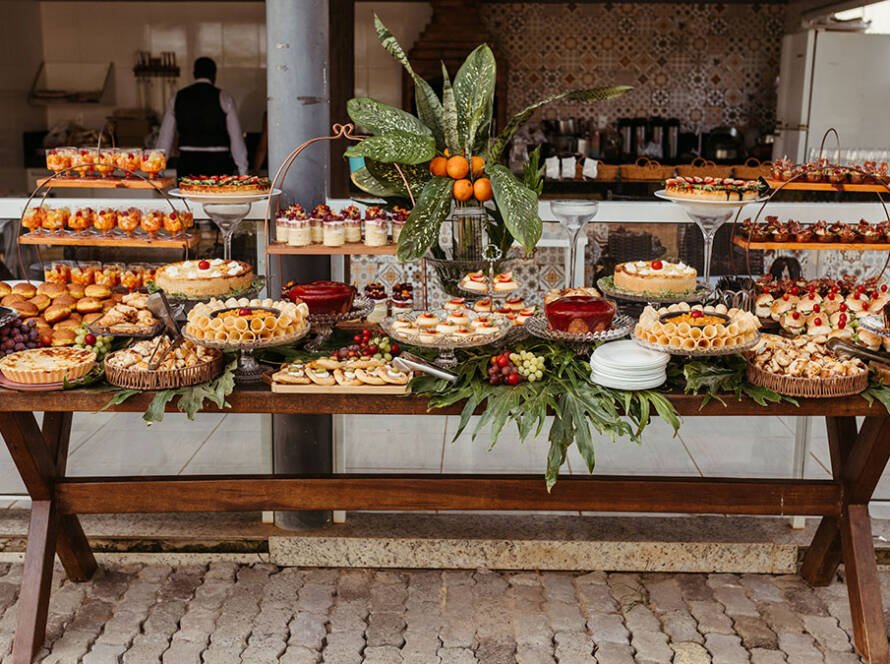
Buffet-Style Events
Buffet service is more relaxed, so fewer servers are needed:
- 1 server per 20–30 guests
- 1 attendant per food station
- 1 supervisor per event space
Buffets focus on self-service, so staff mainly handle refilling and maintenance.
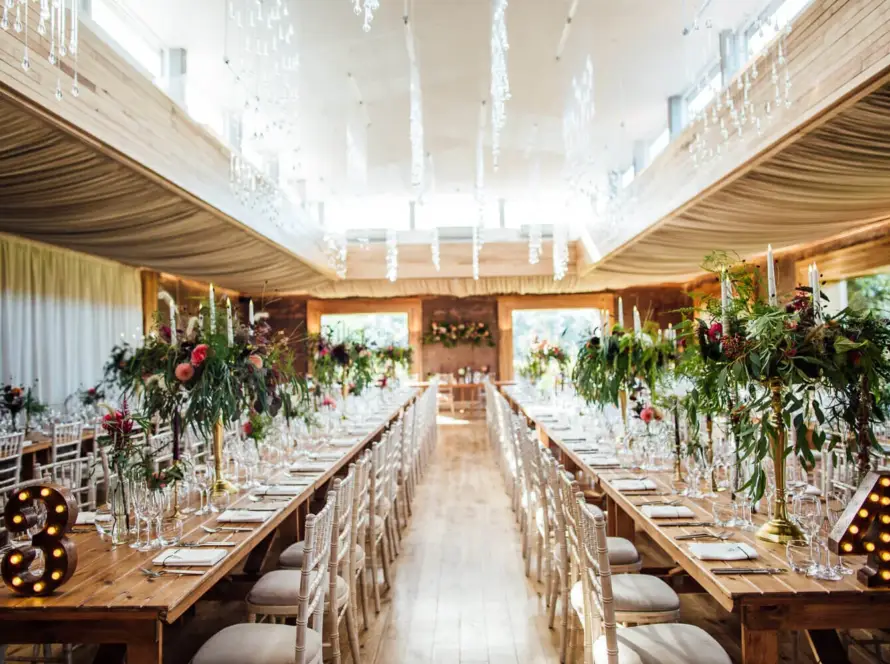
Plated (Sit-Down) Service
Plated dining requires more precision and timing:
- 1 server per 10–15 guests
- 1 captain per 3–4 servers
- Kitchen support team based on menu complexity
This ensures all guests are served at the same time without delays.
Fine Dining / Luxury Events
For high-end experiences, like those designed by Solai:
- 1 server per 5–10 guests
- Dedicated food runners
- On-site chef coordination
- Event manager or maître d’ supervision
This level creates a seamless, restaurant-like experience.
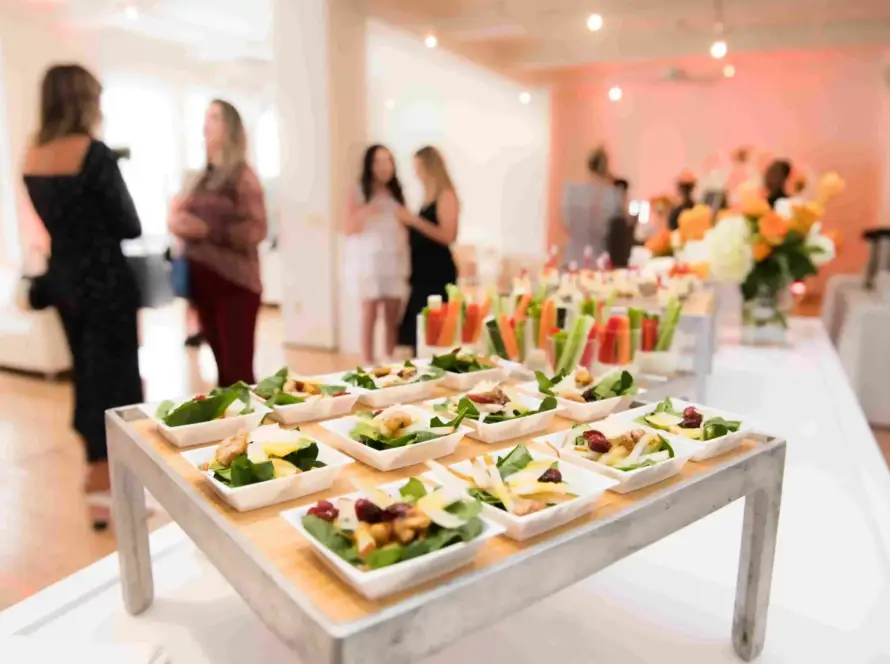
Cocktail / Canapé Events
For standing receptions and networking events:
- 1 server per 15–20 guests
- Multiple roaming staff for drinks and canapés
- 1 bar staff per 40–60 guests
The focus is mobility and constant guest engagement.
Key Factors That Affect Staffing Needs
1. Event Type
- Corporate events → structured but efficient staffing
- Weddings → more personalized service
- VIP or luxury events → high staff-to-guest ratio
2. Menu Complexity
More complex menus require:
- More chefs
- More plating staff
- Faster coordination
A multi-course gourmet menu always increases staffing needs.
3. Service Style
- Buffet = fewer staff
- Plated = medium to high staff
- Live stations = additional chefs and attendants
4. Venue Layout
Large or multi-area venues require:
- Extra runners
- Additional supervisors
- More coordination between stations
5. Guest Expectations
A casual event can operate with minimal staff, but premium events demand attention to every detail—refills, clearing, timing, and guest interaction.
Example Staffing Scenarios
Small Corporate Meeting (50 Guests)
- 2–3 servers
- 1 supervisor
- 1 buffet attendant (if needed)
Simple, efficient setup focused on speed.
Medium Wedding Reception (120 Guests)
- 8–10 servers
- 2 supervisors
- 2–3 kitchen assistants
- 1 event coordinator
Balanced service for smooth dining flow.
Luxury Wedding / High-End Event (200 Guests)
- 20–25 servers
- 3–4 captains
- Dedicated event manager
- Full culinary support team
This ensures a flawless fine-dining experience.
Signs You Don’t Have Enough Staff
Watch out for:
- Long delays between courses
- Empty buffet stations
- Dirty tables not cleared quickly
- Guests waiting for drinks or food
These are clear indicators of understaffing.
Signs You Have Too Much Staff
While rare, overstaffing can lead to:
- Overcrowded service areas
- Higher unnecessary costs
- Confusion in roles
The goal is efficiency, not excess.
How Professionals Like Solai Calculate Staffing
Premium catering teams don’t guess—they plan based on:
- Guest flow and timing
- Menu structure
- Service style
- Venue logistics
They also assign:
- Service captains
- Food runners
- On-site supervisors
- Backup staff for emergencies
This ensures everything runs smoothly even under pressure.
Tips for Choosing the Right Staffing Plan
Be Honest About Your Event Style
Don’t underestimate your needs. A “simple event” can quickly become complex depending on guests and expectations.
Prioritize Guest Experience Over Cost
Reducing staff might save money, but it can negatively impact your event quality.
Work With Experienced Caterers
Professionals like Solai can:
- Recommend the ideal staffing ratio
- Adjust based on real event conditions
- Ensure smooth execution without stress
Conclusion
So, how many servers and staff do you actually need for your event?
It depends on your guest count, service style, and level of formality—but the right balance is crucial for success.
- Buffets require fewer staff
- Plated dinners need structured teams
- Luxury events demand high staff-to-guest ratios
The key takeaway is simple: better staffing = better experience.
When planned correctly with an experienced partner like Solai, your event doesn’t just run smoothly—it feels effortless for your guests from start to finish.
If you are ready to elevate your next event with premium catering and flawless execution, partnering with an experienced catering team is the smartest step you can take.
👉 Book Now